

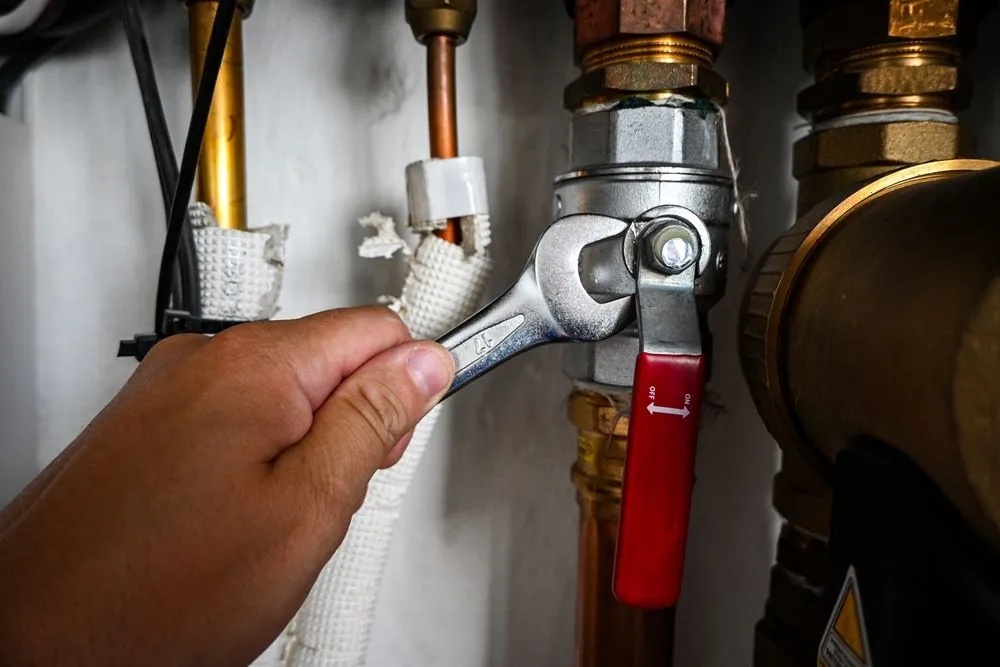
Washing Machine Hookup and Plumbing Services in New Philadelphia, OH
Washer hookups, shut-off valve upgrades and braided hoses that keep the laundry room dry.
A properly installed washing machine hookup is essential for keeping your home's laundry routine running smoothly and protecting your living space from water damage. While connecting a laundry unit may seem straightforward, behind the appliances lies a network of high-pressure water lines, shut-off valves, drainage standpipes, and sewer connections that must work together seamlessly. At Geer Plumbing Solutions, we provide home plumbing services across New Philadelphia and Tuscarawas County, delivering skilled workmanship and clear communication for all your washing machine plumbing needs.
Whether you are setting up a laundry room in a newly renovated space, replacing aging shut-off valves, or upgrading your laundry supply hoses, having a licensed professional handle your washing machine plumbing installation ensures long-term reliability and compliance with local plumbing codes. We take an educational approach to every service call, explaining our thought process and helping you understand the exact plumbing components keeping your home safe.

On This Page
Complete Washing Machine Plumbing Installation & Rough-In Services Washing Machine Valve Replacement and Repair Washing Machine Hose Installation & Maintenance Preventing Water Damage in Your Laundry Room Why Tuscarawas County Homeowners Trust Geer Plumbing Solutions Frequently Asked QuestionsComplete Washing Machine Plumbing Installation & Rough-In Services
Installing a washing machine in a space without existing plumbing—or updating an outdated setup—requires careful planning and precise pipe sizing. A complete washing machine plumbing installation involves two primary systems: the pressurized water supply lines that deliver hot and cold water to the appliance, and the gravity-fed drainage system that safely channels wastewater into your sewer line.
1. Hot and Cold Water Supply Lines
Washing machines require dedicated hot and cold water supply lines connected directly to your home's primary plumbing system. During a rough-in or upgrade, supply pipes are routed through walls or floors to the laundry area. Proper pipe diameter and water pressure are critical to ensure that your washing machine fills efficiently without causing pressure drops in other fixtures across your house. We install durable copper or PEX piping designed to withstand daily operational pressure cycles.
2. Recessed Washer Outlet Boxes
Modern laundry room installations utilize a recessed washing machine hookup box mounted directly into the wall framing between studs. This box houses both the hot and cold water shut-off valves alongside the drain opening in one neat, central location. A quality washer hookup box keeps supply lines organized, allows appliances to sit closer to the wall, and provides an integrated drip channel to capture minor condensation or drips before they hit your drywall or flooring.
3. Drain Lines, Standpipes, and Venting
Modern high-efficiency washing machines pump wastewater out rapidly during the spin cycle. To handle this high volume of water without overflowing, the drainage system must meet specific code standards:
- Standpipe Sizing: Modern plumbing codes require a standpipe with a minimum diameter of two inches to prevent water backup during rapid discharge cycles.
- Standpipe Height: The vertical drain pipe (standpipe) must extend to a specific height—typically between 18 and 30 inches above the trap weir—to prevent wastewater from siphoning back into the machine or splashing onto the floor.
- Venting Systems: Every washing machine drain line requires proper atmospheric venting to allow air into the drain pipe, enabling wastewater to flow freely through the drain line without creating suction locks or pulling water out of the trap.
Washing Machine Valve Replacement and Repair
The shut-off valves controlling water flow to your laundry equipment are subject to constant water pressure and gradual mineral accumulation. Over time, these valves can become stiff, corroded, or leak around the stem, turning a routine task like turning off the water supply into a potential hazard. Professional washing machine valve replacement or targeted washing machine shut off valve repair prevents unexpected leaks and restores dependable water control.
Signs Your Washing Machine Valves Need Attention
Shut-off valves should operate smoothly, shutting off water flow completely when closed. Homeowners in New Philadelphia should look for these common warning signs that indicate a valve requires maintenance or replacement:
- Crusty Corrosion or White Scale: Greenish corrosion on copper or brass valves, or white chalky deposits around valve stems, signals slow, active weeping.
- Frozen Valve Handles: Handles that refuse to turn or require excessive force to operate can break off entirely under pressure.
- Dripping Water: Water pooling in or beneath the washer outlet box when the valves are either fully open or completely closed.
- Failure to Shut Water Off Completely: If water continues flowing to the washer hoses when the valve handle is in the "off" position, internal seals have worn out.
Upgrading to Modern Quarter-Turn Ball Valves
Older homes throughout Tuscarawas County frequently feature multi-turn gate valves or globe valves in the laundry space. These older valve styles rely on rubber washers that deteriorate over time, leading to stem leaks and seized handles. During a washing machine valve replacement, we upgrade older connections to modern brass quarter-turn ball valves or single-lever dual shut-off valves. Quarter-turn valves utilize a smooth stainless steel or chrome-plated ball mechanism that provides an instant, leak-free seal with a simple 90-degree turn of the handle.
Installing Water Hammer Arrestors
When an automatic washing machine opens and closes its internal solenoid water valves during a cycle, the sudden stopping of moving water can send a shockwave back through your pipes. This phenomenon, known as water hammer, causes loud banging noises inside walls and places extreme mechanical stress on pipe joints and valves. Installing inline water hammer arrestors directly above your washing machine shut-off valves absorbs these pressure surges, protecting your home's piping infrastructure from premature failure.
Washing Machine Hose Installation & Maintenance
The flexible hoses connecting your wall valves to the appliance are among the most critical components of your laundry setup. Because these hoses remain under continuous line pressure, a failed hose can release hundreds of gallons of water in a short period. Proper washing machine hose installation and regular inspection are simple steps that safeguard your home.
Choosing Between Stainless Steel Braided and Rubber Hoses
While basic reinforced rubber hoses are available, stainless steel braided hoses offer vastly superior protection against bursting, kinking, and punctures. Stainless steel hoses feature an inner synthetic rubber or PEX tube encased in a flexible sleeve of woven stainless steel wire. This outer sleeve prevents the inner tube from expanding or blistering under sudden pressure spikes, making braided steel the industry standard for long-term safety.
Best Practices for Hose Installation
Even high-quality hoses can fail if installed incorrectly. Professional installation ensures optimal safety by adhering to strict protocols:
- Avoiding Over-Tightening: Connecting hose couplings requires precise torque. Tightening fittings too aggressively with heavy tools can crush internal rubber washers, causing premature leaks or stripped threads.
- Preventing Sharp Bends: Hoses must be installed with smooth, sweeping curves rather than tight kinks that restrict water flow and weaken hose walls over time.
- Securing the Drain Hose: The flexible drain hose leaving the washing machine must be anchored securely to the standpipe or laundry sink with a heavy-duty retaining clip or hook to prevent high-pressure discharge from dislodging the hose during operation.
Preventing Water Damage in Your Laundry Room
Laundry spaces are often situated on upper living floors, inside finished closets, or directly over finished basements. An unexpected overflow or leaking hose connection can cause extensive structural damage to subflooring, ceiling drywall, and surrounding rooms. Proper plumbing maintenance and smart upgrades provide vital protection.
When installing a new washing machine hookup, setting up a floor drain or a heavy-duty drain pan under the appliance provides a secondary safety net. A washing machine drain pan sits directly beneath the washer to catch minor drips, tub overflows, or slow leaks, funneling water safely into a floor drain or exterior outlet line before it reaches your living space.
Why Tuscarawas County Homeowners Trust Geer Plumbing Solutions
Geer Plumbing Solutions is built on a straightforward core philosophy: The Trust Triangle. We combine technical skill to diagnose and repair plumbing issues accurately, clear communication to educate you on every aspect of the work, and uncompromising integrity to recommend only the services you truly need.
When you choose our team for your washing machine plumbing needs, you benefit from:
- Educational Approach: We don't just fix the problem and leave. We take the time to explain how your plumbing systems function, show you where your master supply shut-off valves are located, and teach you how to spot early warning signs of wear.
- Dependable Service: Reliability means showing up when promised, respecting your home, and finishing every project to the highest standards of workmanship.
- Fully Licensed & Insured: We are fully state-licensed and insured (OH LIC# PL.51512), giving you complete peace of mind that your home is in hands you can trust.
- Comprehensive Local Expertise: We serve homeowners across New Philadelphia, Dover, Zoar, Stone Creek, Roswell, Mineral City, Dundee, Dennison, Uhrichsville, Midvale, Gnadenhutten, Strasburg, Newcomerstown, Barnhill, Parral, Sandyville, Port Washington, Tuscarawas, Bolivar, and Sugarcreek.
Frequently Asked Questions
What hookups are needed for a washing machine?
A standard washing machine requires three distinct plumbing hookups: a dedicated hot water supply line, a dedicated cold water supply line (both controlled by accessible shut-off valves), and a dedicated drain system consisting of a two-inch standpipe connected to a trapped and vented sewer drain line. Additionally, a grounded electrical outlet is required nearby to power the appliance.
What plumbing is needed for a washing machine?
The plumbing setup for a washing machine includes hot and cold supply piping (usually 1/2-inch copper or PEX), shut-off valves, flexible supply hoses, and a gravity drain assembly. The drain assembly requires a minimum two-inch drain pipe, a P-trap installed below floor level or inside the wall, and a vertical standpipe between 18 and 30 inches tall that discharges into your home's main drainage and vent system.
Does a washing machine drain pipe need a trap?
Yes. Every washing machine drain pipe must be installed with a P-trap. The P-trap holds a small amount of standing water that creates an airtight seal, preventing hazardous sewer gas, foul odors, and pests from escaping out of the drainage system and entering your home's living area.
Should a washing machine have a check valve?
In standard residential plumbing setups, a check valve is generally not required on the primary gravity drain line if the standpipe, trap, and venting are designed according to local codes. However, if your laundry machine drains into an ejector pit or a specialized pumped discharge system below sewer line grade, a backflow check valve is installed on the discharge piping to prevent pumped wastewater from flowing backward into the basin.
My washing machine connector is leaking. What could be causing this and how can I fix it?
A leaking washing machine hose connector is typically caused by a cracked or hardened rubber washer inside the hose coupling, loose threads, or cross-threading between the hose nut and the valve outlet. Over-tightening can also crush the internal gasket, causing water to seep through. To fix it, turn off the water supply valve, disconnect the hose, inspect the rubber sealing washer, replace it with a fresh hose washer if needed, and re-thread the connection firmly by hand before snugging it slightly with pliers.
Schedule Your Washing Machine Plumbing Service Today
Whether you need a new washing machine hookup box installed, an aging valve replaced, or comprehensive laundry room plumbing rough-ins for your home in New Philadelphia, Dover, or anywhere in Tuscarawas County, Geer Plumbing Solutions is ready to help. Contact us today at 330-432-8073 to speak with our licensed team and receive a clear, straightforward estimate for your project.
Free estimates · 1‑year warranty on parts & labor · $25 off for new customers