

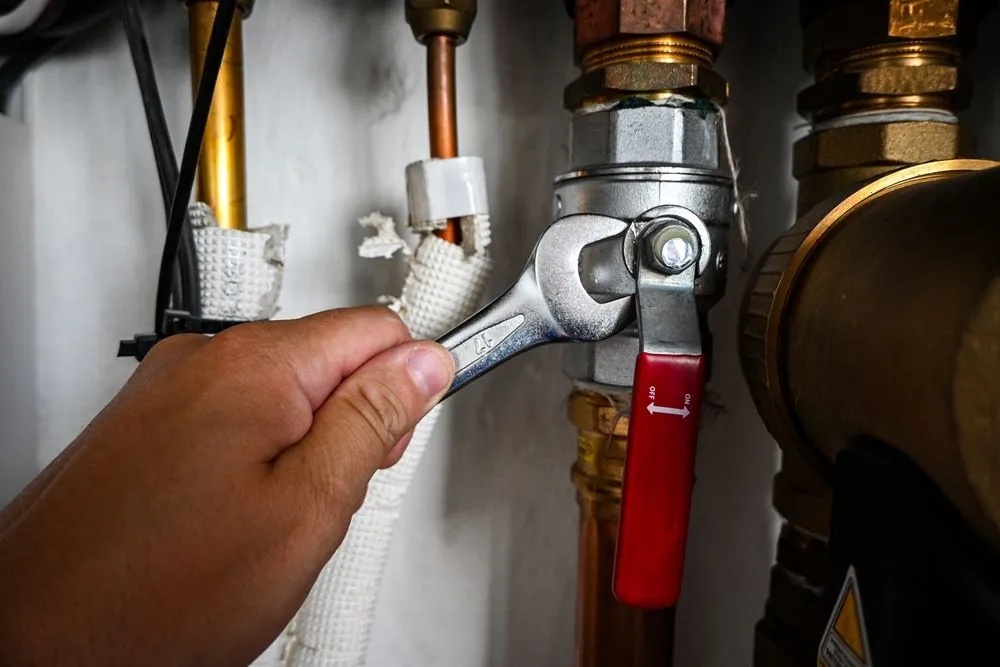
Sewer Pipe Repair and Leak Detection in New Philadelphia, OH
Hidden leaks, slab leaks, copper pipe leaks, burst pipes and sewer pipe repair.
Plumbing leaks and damaged sewer lines can develop quietly behind drywall, beneath heavy concrete slab foundations, or deep underground in your yard. Left unaddressed, even a minor water line failure or a hairline crack in a sewer pipe can compromise your home's structural framing, erode foundational soil, waste thousands of gallons of water, and lead to costly restoration projects.
At Geer Plumbing Solutions, we provide clear, comprehensive pipe diagnosis and repair services tailored to homeowners throughout New Philadelphia, Dover, and the surrounding Tuscarawas County area. Whether you are dealing with an unexpected burst pipe, an unexplained water bill increase, or a main sewer line backup, our focus is delivering lasting mechanical repairs backed by technical skill, honest communication, and genuine integrity.

On This Page
Comprehensive Plumbing Leak Detection Services Residential Sewer Pipe Repair and Replacement Slab Leak Repair Solutions for Foundations Copper Pipe Leak Repair and Maintenance Burst Pipe Repair and Emergency Intervention Serving New Philadelphia and Surrounding Communities The Educational Approach to Leak Repair: Skill, Communication, and Integrity Frequently Asked Questions About Pipe and Leak RepairComprehensive Plumbing Leak Detection Services
Detecting a water leak inside a residential plumbing system requires a systematic, analytical approach. Water travels along the path of least resistance, which means the spot where dampness appears on a ceiling or wall is rarely where the leak actually originates. Professional plumbing leak detection isolates the true source of moisture before unnecessary demolition begins.
Hidden plumbing leaks usually present subtle warning signs before causing catastrophic damage. Recognizing these early indicators allows homeowners to take action before structural building materials are compromised:
- Unexplained Spikes in Water Utility Bills: A sudden increase in monthly water costs without a change in household usage often indicates a continuous hidden leak in a main supply line, toilet fixture, or underground pipe.
- Unusual Sounds in the Plumbing System: Hearing the sound of running, dripping, or hissing water when all faucets, showers, and water-using appliances are turned off strongly suggests an active supply leak.
- Localized Moisture and Wall Discoloration: Damp spots, bubbled paint, peeling wallpaper, or dark water stains on interior walls, ceilings, or baseboards point to concealed pipe leaks.
- Persistent Unpleasant Odors: Damp drywall, damp subflooring, and trapped moisture create an ideal environment for persistent musty smells. Musty odors near floorboards or under sinks warrant immediate plumbing investigation.
- Unexplained Hot Spots on Flooring: If a specific area of a tile, vinyl, or hardwood floor feels uncharacteristically warm to the touch, a hot water line beneath the foundation slab may be leaking.
Our diagnostic process relies on evaluating system pressure, analyzing flow rates, and performing careful structural visual inspections. By taking an educational approach, we walk you through our findings, show you where the anomaly exists within your pipe architecture, and explain our exact thought process before any repair work begins.
Residential Sewer Pipe Repair and Replacement
Your main sewer line is the single most critical component of your home's drainage architecture. It carries wastewater away from every sink, shower, toilet, and washing machine in your house toward the municipal sewer main or private septic system. When a main sewer pipe fails, the resulting backups can disrupt your entire household and create unsanitary conditions.
Common Causes of Sewer Line Damage in Local Homes
Homes in Tuscarawas County feature a wide range of plumbing ages and piping materials. Depending on when your house was constructed, your underground sewer lines may be composed of cast iron, vitrified clay, or modern PVC plastic. Over time, each material faces distinct environmental and structural stressors:
- Tree Root Intrusion: Tree and shrub roots naturally grow toward underground moisture sources. Microscopic cracks or unsealed joints in clay pipe or cast iron sewer lines attract roots, which enter the pipe and expand. As roots grow, they catch debris, cause severe drain blockages, and eventually fracture the sewer line.
- Aging Cast Iron Sewer Pipe Corrosion: Legacy cast iron pipes are subject to internal rusting and channel corrosion. Over decades, the bottom of a cast iron sewer pipe can rust away completely, creating a rough surface that slows drainage and allows soil to enter the line.
- Vitrified Clay Sewer Pipe Fractures: Clay pipe was widely installed in older residential areas. While clay resists chemical corrosion, it is brittle and prone to shifting, cracking under ground settling, or shearing at pipe joints.
- Sewer Line Bellies: Soil shifting, poor bedding compaction during original construction, or heavy surface traffic can cause a section of sewer pipe to sag or sink. This low spot—known as a sewer belly—collects standing water and solid waste, leading to repeated backups.
- Ground Freezing and Soil Expansion: Ohio's seasonal freeze-thaw cycles cause ground movement that puts heavy physical stress on buried drain lines, leading to cracked, misaligned, or offset pipe sections.
Diagnostic Video Camera Sewer Inspections
Accurate sewer pipe repair starts with an exact diagnosis. At Geer Plumbing Solutions, we use professional video camera sewer inspections to examine the interior of your underground pipes in real time. A specialized, high-resolution waterproof plumbing camera is threaded through your cleanout or drain line, recording clear visual data of the pipe's interior walls.
This diagnostic technology allows us to precisely identify the nature and location of the fault—whether it is a heavy root clog, a cracked clay pipe joint, an offset section, a bellied line, or collapsed cast iron. Instead of guessing where an issue lies, we show you the live video feed, explain the structural condition of your pipe, and recommend targeted repair or replacement options based on verified facts.
Sewer Pipe Repair and Excavation Solutions
Once the condition of your sewer line is determined, we evaluate whether localized spot repair or complete sewer line replacement is necessary. Our goal is to recommend the right work—never pushing unnecessary full-scale replacements when a targeted repair is structurally sound, and never applying temporary band-aids to a completely failed system.
- Cast Iron Sewer Pipe Repair: For localized structural damage on cast iron lines, damaged sections are carefully cut away and replaced with smooth, modern PVC drain pipe using heavy-duty shielded mechanical couplings designed for underground soil transition.
- Clay Sewer Pipe Repair: Broken or root-compromised clay pipe sections can be excavated and repaired using specialized clay sewer pipe to PVC adapters. This ensures a watertight transition between original clay piping and high-density PVC replacement pipe.
- Targeted Excavation and Pipe Replacement: When a specific section of pipe has collapsed or lost its proper slope, precise excavation allows us to dig down directly to the damaged segment, correct the underlying soil bedding, install new pipe, and restore proper sewer flow.
- Full Sewer Line Replacement and Excavation: When an aging line has reached the end of its useful service life with widespread cracking, rot, or multiple bellies, full sewer excavation and repiping is the most reliable long-term solution. We manage the excavation process carefully, installing durable code-compliant pipe materials laid at the exact grade needed to prevent future blockages.
Slab Leak Repair Solutions for Foundations
A slab leak occurs when a pressure water supply line or underground drain pipe buried beneath a home's concrete slab foundation develops a leak. Because these pipes are encased in sand, soil, and heavy concrete, a slab leak can remain undetected for weeks or months, gradually washing away soil support or seeping upward into your living space.
Recognizing the Signs of a Concrete Slab Leak
Because foundation leaks occur beneath solid concrete, homeowners must rely on indirect signs to spot an issue early:
- Sound of Running Water: Hearing continuous water flow under your floors when no fixtures are operating.
- Warm Flooring Spots: A localized hot spot on carpet, tile, or laminate flooring usually indicates a break in a hot water supply line beneath the slab.
- Foundation Cracks or Heaving: Water saturating the soil under a home can cause expansive soils to swell, lifting or cracking concrete floor slabs and interior drywall.
- Damp Carpets or Flooring Buckling: Water pushing upward through expansion joints or porous concrete can ruin floor coverings and subfloors.
- Unexplained Increase in Energy and Water Bills: A hot water slab leak forces your water heater to run constantly, driving up both water and fuel costs.
Professional Methods for Repairing Slab Leaks
Fixing a leak under a concrete slab requires strategic evaluation to minimize disruption to your home while ensuring a permanent mechanical solution. Depending on the location of the leak, the age of your plumbing system, and the structural condition of the pipe, several primary repair paths exist:
- Direct Concrete Penetration and Spot Repair: If the plumbing line is relatively modern and in good overall condition, targeted jackhammering through the slab allows direct access to the leaking pipe segment. The compromised copper or plastic pipe section is cut out and replaced with modern materials before the slab is structurally patched.
- Pipe Rerouting and Above-Ground Repiping: In many cases—especially with older copper lines beneath concrete—opening the foundation slab is not the best option. Rerouting involves abandoning the damaged underground line entirely and running a new, accessible PEX or copper water pipe through interior walls, cabinets, or ceiling joists. Rerouting avoids foundation excavation and eliminates the risk of future leaks on that buried line.
- Pipe Sleeve Repair: Where suitable, inserting a specialized mechanical repair sleeve or continuous liner through a straight pipe section can seal minor leaks without removing large sections of slab concrete.
We take time to educate homeowners on each option, weighing short-term disruption against long-term reliability so you can make an informed decision for your property.
Copper Pipe Leak Repair and Maintenance
Copper pipe has long been a standard material for indoor residential water supply lines due to its durability and resistance to bacteria. However, copper piping is not invincible. Factors such as aggressive water chemistry, high water pressure, poor initial installation, and physical friction can eventually cause copper lines to leak.
Why Copper Water Pipes Leak
Understanding why copper pipe leaks occur helps homeowners address root causes rather than just fixing symptoms:
- Pinhole Leaks from Internal Corrosion: Pinhole leaks are tiny perforations that develop in copper pipe walls. They are frequently caused by aggressive water pH, high levels of dissolved oxygen, or turbulent water flow that gradually wears down the copper's protective internal patina.
- Solder Joint Failures: Copper fittings are connected using soldered joints. If a joint was improperly fluxed, insufficiently heated, or subjected to vibration during installation, the solder connection can degrade and leak over time.
- Friction and Stress Cracks: Copper expands and contracts as hot water flows through it. If a pipe is strapped too tightly against wooden floor joists or metal brackets without room to move, constant mechanical rubbing can wear a hole through the pipe wall.
- Water Hammer and Pressure Surges: Fast-closing valves (such as those in washing machines or dishwashers) create pressure waves in supply piping. Over time, repeated water hammer can stress copper joints and cause leaks at fittings.
Long-Term Repair Techniques for Copper Pipes
When repairing a leaking copper pipe, temporary patches or topical sealants are never permanent solutions. Professional mechanical repairs ensure your water supply remains completely sealed under full city pressure:
- Sectional Copper Replacement: The leaking or corroded segment of copper pipe is completely cut away. A new piece of rigid copper tubing is fitted into place using non-soldered press fittings or high-temperature soldered copper couplings.
- Installing Copper Slip Couplings: For tight repairs where the existing pipe cannot be spread apart, a copper slip coupling (a coupling without an internal stop) is slid onto the pipe, positioned directly over the cut section, and secured to restore full pressure integrity.
- Pressure Regulator Installation: If copper pipe failure is driven by excessively high incoming municipal water pressure, installing or adjusting a main water pressure reducing valve protects all copper lines in the home from premature wear.
Burst Pipe Repair and Emergency Intervention
A burst pipe is one of the most severe plumbing occurrences a homeowner can experience. When a supply line splits open, hundreds of gallons of water can escape per hour, causing rapid flooding, structural wood damage, ruined drywall, and potential electrical hazards.
Immediate Actions to Take When a Pipe Bursts
If you experience a burst pipe in your home, acting quickly reduces structural damage while you wait for professional plumbing service:
- Shut Off the Main Water Supply Immediately: Locate your home’s primary water shut-off valve—usually located where the main line enters the basement, crawlspace, or near the water meter—and turn it off completely to stop water flow.
- Turn Off Power to Affected Areas: If water is pooling near electrical outlets, appliances, or your main breaker box, safely turn off electricity to those zones from the main panel if it is safe to reach.
- Relieve Trapped Line Pressure: Open cold water faucets on lower floor levels to drain remaining water out of your home’s plumbing pipes.
- Protect Valuables and Subflooring: Move furniture, rugs, and personal items away from the leak area and begin removing standing water using mops, towels, or wet vacuums.
What Causes Water Pipes to Burst?
While sub-zero winter temperatures are the most frequent cause of frozen and burst water lines in Ohio, other systemic issues can trigger structural pipe failure year-round:
- Freezing Water Temperatures: When water trapped inside an uninsulated pipe freezes, it expands. This expansion increases hydrostatic pressure inside the sealed pipe to extreme levels, eventually forcing the metal or plastic wall to rupture.
- Extreme System Water Pressure: Water supply systems operating above recommended household pressures (typically 40 to 60 PSI) put continuous stress on pipe walls and joint connections, accelerating fatigue and sudden breaks.
- Severe Internal Structural Wear: Aging pipes that have lost wall thickness due to corrosion or chemical degradation can split open suddenly during standard pressure fluctuations.
Our pipe repair process involves restoring damaged sections with heavy-duty replacement materials, verifying line pressure, and inspecting surrounding piping to ensure remaining structural runs are secure.
Serving New Philadelphia and Surrounding Communities
Geer Plumbing Solutions proudly provides professional plumbing services, sewer pipe repair, slab leak repair, and fixture installations across Tuscarawas County. We serve homeowners in:
- New Philadelphia
- Dover
- Uhrichsville
- Dennison
- Sugarcreek
- Bolivar
- Strasburg
- Gnadenhutten
- Newcomerstown
- Midvale
- Mineral City
- Zoar
- Stone Creek
- Roswell
- Dundee
- Barnhill
- Parral
- Sandyville
- Port Washington
- Tuscarawas
The Educational Approach to Leak Repair: Skill, Communication, and Integrity
Plumbing repair should never involve guesswork or pushy sales tactics. At Geer Plumbing Solutions, our operations are guided by what we call the Trust Triangle: combining technical skill to diagnose and execute repairs, transparent communication to educate homeowners, and uncompromising integrity to recommend only the necessary work.
We take an educational approach to every job. Rather than simply delivering a quote, we take the time to walk you through our findings, explain why a leak occurred, outline the structural choices for repair or replacement, and discuss our thought process step-by-step. Fully licensed and insured (OH LIC# PL.51512), we focus on reliable scheduling, clean workmanship, and durable mechanical fixes that protect your property for years to come.
If you suspect a hidden water leak, require sewer pipe repair, or need assistance with household plumbing fixtures, contact Geer Plumbing Solutions today at 330-432-8073 to speak directly with our team or schedule a service visit.
Frequently Asked Questions About Pipe and Leak Repair
How long does it take to repair a sewer pipe?
The time required to repair a sewer pipe depends on the depth of the pipe, the severity of the damage, and the repair method used. A targeted spot repair on an accessible underground line often takes one full day. Complete sewer line excavation and replacement typically takes one to two days, accounting for careful digging, pipe installation, slope grading, code compliance inspection, and site backfilling.
What is the difference between a sewer line and a drain line?
A drain line is an individual branch pipe that connects a specific plumbing fixture—such as a sink, shower, toilet, or washing machine—to your home’s main drainage stack. A main sewer line is the central pipe that collects wastewater from all individual branch drains inside the house and carries it outside the foundation to the municipal sewer main or private septic tank.
Who is responsible for a cracked sewer pipe?
In most municipalities, homeowners are responsible for maintaining and repairing the entire length of the sewer lateral pipe from the exterior walls of the house out to the connection point at the city sewer main (or curb line, depending on local municipal code). If a sewer line cracks on private residential property, the repair costs fall under the homeowner's responsibility.
Can a slab leak be fixed?
Yes, a slab leak can be effectively fixed using several proven methods. Depending on the condition of the pipe and its location, plumbers can perform a localized spot repair by accessing the pipe through the concrete slab, reroute new water lines above ground through interior walls and ceilings to bypass the underground leak entirely, or install continuous repair sleeves through accessible runs.
Will homeowners insurance pay for a slab leak?
Coverage depends on your specific insurance policy terms. Standard homeowners insurance policies frequently cover the tear-out process required to access the leak and the physical structural damage caused by escaping water (such as ruined flooring or drywall). However, policies often exclude the cost of repairing the actual piece of worn or corroded plumbing pipe itself. It is always best to consult your insurance carrier for exact policy details.
How do plumbers detect leaks?
Plumbers detect hidden leaks using a combination of diagnostic techniques and specialised equipment. This includes visual structural inspections, water meter testing to verify continuous flow, hydrostatic pressure testing to isolate leaking pipe sections, and high-definition video camera sewer inspections to locate cracks, root intrusion, or blockages deep inside underground drain lines.